 UAE









Executive Coaching Certification: What It Is and How to Get One
What an executive coaching certification really is, the skills executive coaches need, and a practical route to getting certified through ICF-accredited training.

Executive coaches work one to one with leaders: senior managers, founders and people stepping into bigger roles. As more organisations invest in coaching for their leaders, more of them ask the same question when they hire a coach: what are your credentials? This guide explains what an executive coaching certification really is, the skills executive coaches need, and a practical route to becoming one.
What is executive coaching?
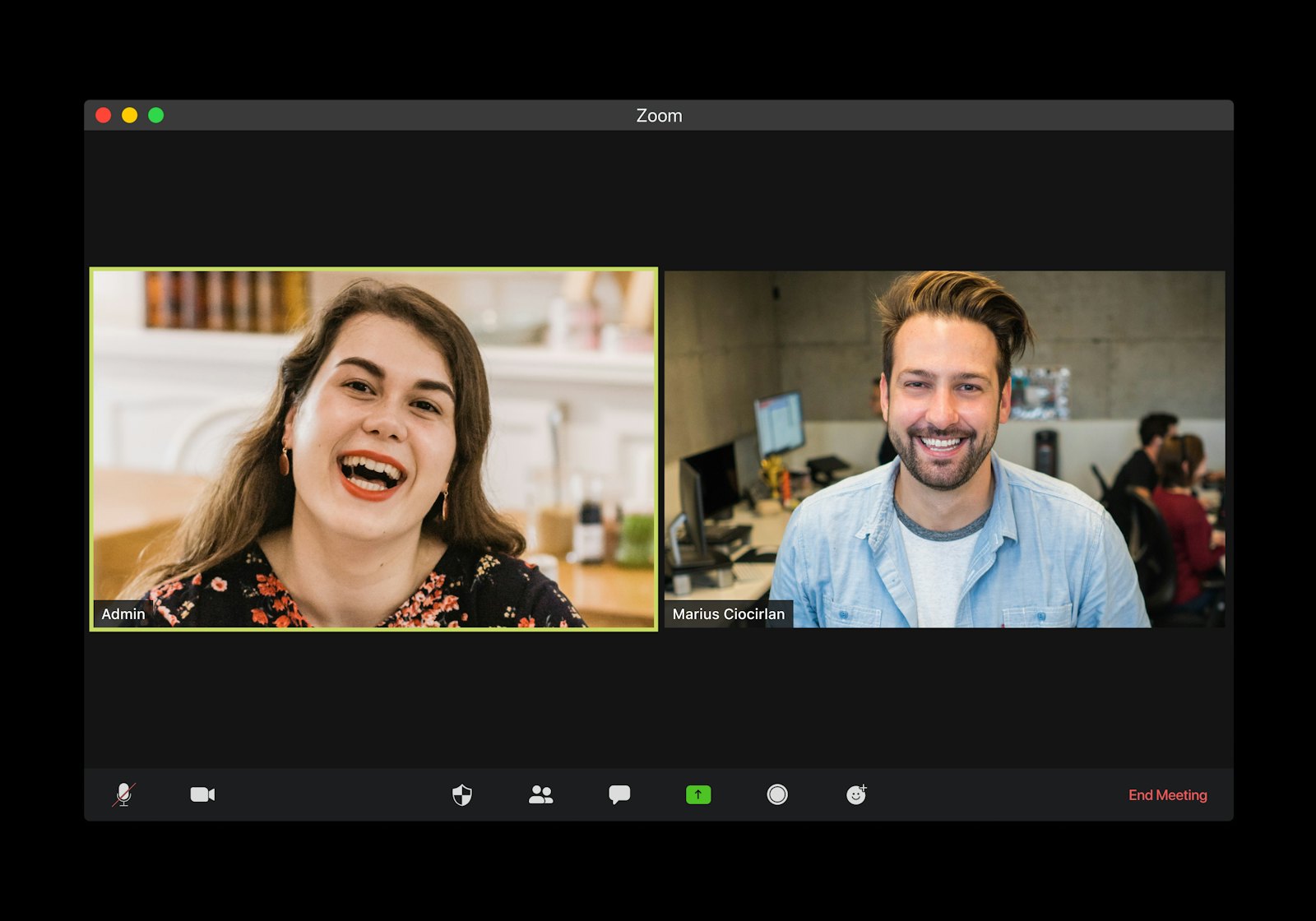
Executive coaching is one-to-one coaching for leaders. It helps them lead teams, make decisions, handle pressure, manage change and develop their leadership presence. It’s often sponsored by the organisation, with goals agreed between the coach, the leader and sometimes their manager or HR.
Like all coaching, it’s forward-focused. The coach doesn’t tell the leader what to do; they help the leader think clearly, see their blind spots and follow through on change.
Is there an official executive coaching certification?
There isn’t one single certification that every executive coach must hold. In practice, organisations look for two things:
- A recognised professional coaching credential, most commonly from the International Coaching Federation (ICF), which shows you’ve completed accredited training and coach to an assessed standard
- Relevant experience of leadership, management or organisations, so you understand your clients’ world
Some training providers call their programmes “executive coaching certifications”. That can be a useful focus, but always check which accreditation stands behind the title.
The skills executive coaches need
- Core coaching skills: listening closely, asking questions that open up new thinking, and helping clients turn insight into action. ICF describes these in its Core Competencies.
- Emotional intelligence: the self-awareness and empathy to stay steady with senior clients, and the ability to help them develop their own EI.
- Understanding of leadership and organisations: how teams, culture, politics and performance work in practice.
- Contracting: agreeing goals, confidentiality and reporting with both the leader and the sponsoring organisation.
- Ethics: knowing your boundaries, including when a client needs a different kind of support.
A practical route to becoming a certified executive coach
- Complete ICF-accredited coach training. A Level 1 programme builds your foundation in the ICF Core Competencies and leads towards the Associate Certified Coach (ACC) credential. A Level 2 programme develops your coaching to the PCC Markers standard and leads towards the Professional Certified Coach (PCC) credential.
- Build your coaching hours. Coach regularly, including managers and leaders where you can. At the time of writing, ICF asks for at least 100 hours of coaching experience for the ACC and at least 500 hours for the PCC.
- Complete Mentor Coaching. ICF asks for 10 hours of Mentor Coaching for each credential: focused feedback on your coaching from a qualified mentor coach.
- Apply for your ICF credential. You’ll also need to pass a performance evaluation and the ICF Credentialing Exam.
- Add specialist depth. Emotional intelligence, leadership development and assessment tools help you stand out with organisations.
ACC or PCC for executive coaching?
Many new coaches start with the ACC while they build experience. Many organisations look for PCC-level coaches when they hire external coaches for their leaders, so if executive coaching is your goal, plan for PCC in the longer term. Our guide to ACC vs PCC compares the two in detail.
How RISENLEAD can help
Our Associate Coaching Practitioner (ICF Level 1) and Professional Coaching Practitioner (ICF Level 2) programmes give you ICF-accredited coach education, with live training, practice coaching and guidance on your ICF application. The Emotional Intelligence Practitioner & Coach certification adds the EI tools leaders value, and our leadership training shows how we work with organisations.
ICF sets its credential requirements and can change them, so always check the latest details at coachingfederation.org before you apply.
Frequently asked questions
Do I need an ICF credential to be an executive coach?
It isn’t compulsory, but many organisations ask for one when they hire coaches for their leaders, because it shows accredited training and an assessed standard of coaching.
How long does it take to become a certified executive coach?
The training itself usually takes a few months. Building the coaching hours ICF asks for, at least 100 for ACC and 500 for PCC, usually takes longer.
Can I become an executive coach without leadership experience?
Coaching skill matters most, but experience of leadership or organisations helps you understand your clients’ world and is often valued by the organisations that hire executive coaches.

Aswin Sarang
Leadership trainer and certified life coach, known for a structured, results-oriented approach to personal transformation and executive development.