UAE





Online Life Coaching Courses: How to Choose One That’s Worth It
Are online life coaching courses worth it? How live online and self-paced courses differ, 7 things to check before you enrol, and the red flags to avoid.
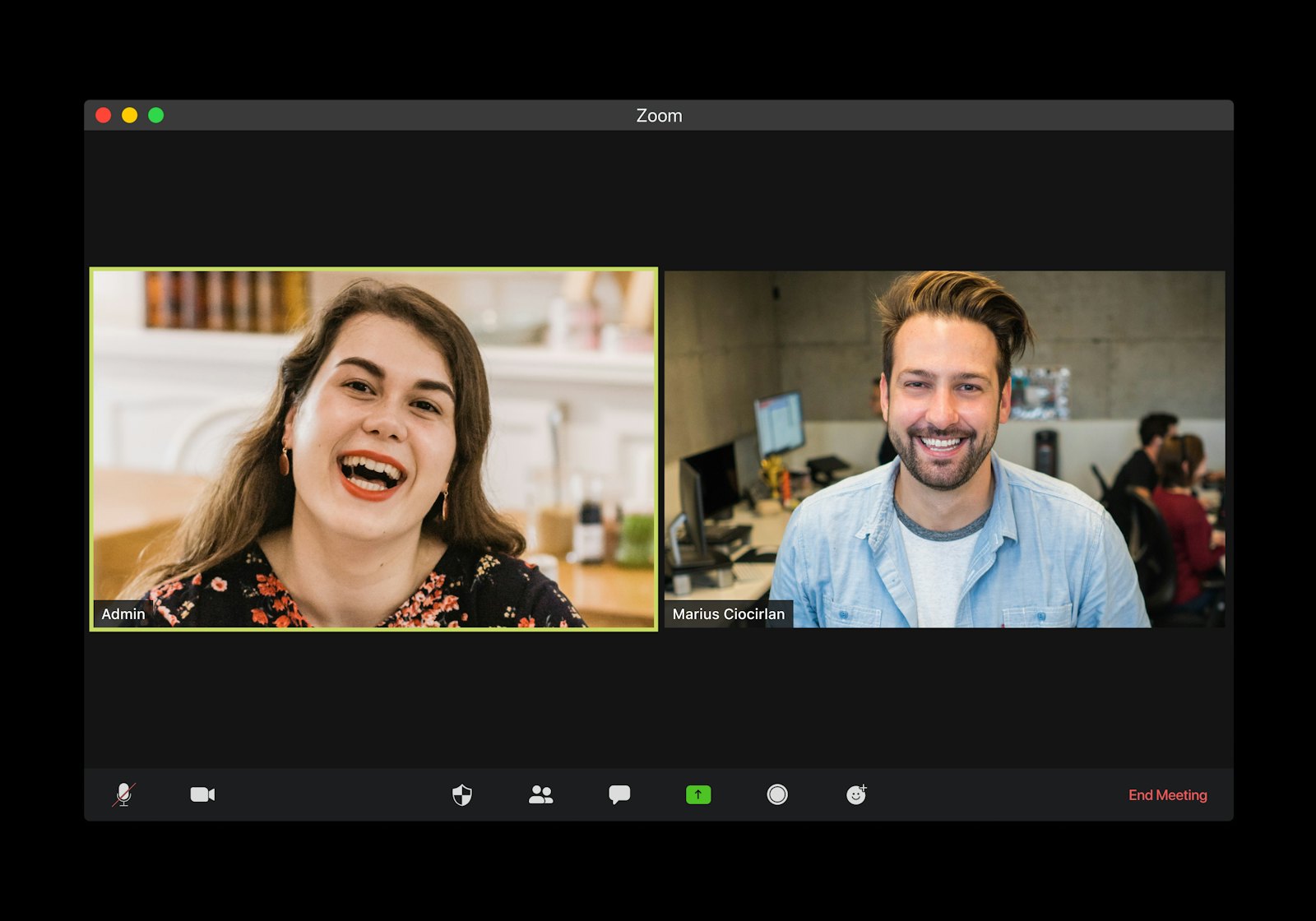
You can now train as a life coach from home, live with a trainer and a group, without travelling. But online life coaching courses vary enormously. Some give you real skills and a credential that clients respect; others give you a certificate and little else. This guide shows you how to tell the difference.
Are online life coaching courses worth it?
They can be. A good online course teaches coaching the way it’s best learned: by practising with real people and getting feedback. What matters isn’t whether a course is online, but whether it’s properly accredited and gives you enough live practice.
Live online or self-paced?
- Live online courses run as scheduled sessions with a trainer and a group. You practise coaching in pairs and small groups and get feedback in the moment. Coaching is a conversational skill, so this is usually the stronger way to learn.
- Self-paced courses let you study whenever you like, usually through recorded videos and reading. They’re flexible, but on their own they rarely give you enough practice to coach with confidence.
7 things to check before you enrol
- Accreditation you can verify. Check the accrediting body’s own website, not just the provider’s logo. If you want an ICF credential, choose an ICF Level 1 or Level 2 accredited programme.
- Live practice with feedback. How many hours will you spend actually coaching, and who gives you feedback?
- Who trains you. Look up the trainers and their own credentials and experience.
- A schedule that fits. Check session times in your own time zone, and how many sessions you can miss.
- A certificate others can check. A verifiable certificate, with a number or QR code that opens a verification page, shows clients and employers your qualification is genuine.
- Support after the course. Ask about alumni communities, ongoing resources and help with next steps.
- The total cost. Include materials, Mentor Coaching and any credential fees, not just the course fee.
Red flags to watch for
- Promises of a guaranteed income or a full client list
- “Certified in a weekend” with no practice coaching
- Accreditation that you can’t find on the accrediting body’s website
- No information about who the trainers are
Which online course should you choose?
It depends on the coaching you want to do. For a recognised professional coaching credential, start with ICF-accredited coach training. For a clear niche, such as emotions, wellbeing or happiness, a specialist certification may suit you better. Our guide to life coach certification matches common goals to the right programme.
Online coach training with RISENLEAD
Our ICF-accredited Associate Coaching Practitioner (Level 1) and Professional Coaching Practitioner (Level 2) run live online, with practice coaching and feedback. Our Emotional Intelligence, Mindfulness & Wellbeing and Happiness Coaching certifications run as 7 live online sessions of 3 hours, accredited by IPHM and ICAHP. Every RISENLEAD certificate can be verified online: see how to verify a certificate.
Frequently asked questions
Can you become a certified life coach online?
Yes. Many accredited programmes, including ICF-accredited coach training, run live online, with practice coaching and feedback.
Is a self-paced life coaching course enough?
It can teach you the theory, but coaching is a conversational skill. Most people need live practice with feedback to coach with confidence.
How do I know an online coaching course is accredited?
Look the provider up on the accrediting body’s own website. For ICF, check that the programme is listed as ICF Level 1 or Level 2 accredited.

Aswin Sarang
Leadership trainer and certified life coach, known for a structured, results-oriented approach to personal transformation and executive development.