 UAE








How to Become a Certified Life Coach in the UAE
A step-by-step guide to becoming a certified life coach in the UAE: choosing your focus and certification, checking the training, and building your practice.

More people in the UAE are turning to coaches for help with careers, confidence, relationships and wellbeing, and many of them start asking how to become a certified life coach themselves.
You don’t need a psychology degree to get started. What matters most is choosing the right training and getting plenty of practice. This guide walks you through the steps.
What does a life coach actually do?
A life coach helps people get clear on what they want, find their own answers and follow through. Coaching is forward-focused: it works with people who are generally well and want to move forward, rather than treating mental health conditions. Good coaches know where coaching ends, and when to refer someone to a medical or mental health professional.
Step 1: Decide what kind of coach you want to be
“Life coach” is a broad term. Narrowing your focus makes training choices easier and helps clients find you. Common focuses include:
- careers, confidence and life transitions
- emotions and relationships
- stress, resilience and wellbeing
- mindset, habits and communication
- leadership, for managers and professionals
Step 2: Choose the right certification
There are two main routes, and many coaches eventually combine them.
A recognised coaching credential
The International Coaching Federation (ICF) is the most widely recognised body in professional coaching. Its credentials, starting with the Associate Certified Coach (ACC), cover life coaching as well as other kinds of coaching. At the time of writing, ICF asks ACC applicants on the Level 1 path for at least 60 hours of coach education through an ICF Level 1 programme, 10 hours of Mentor Coaching, at least 100 hours of coaching experience, a performance evaluation and the ICF Credentialing Exam.
Credentials are awarded by ICF, not by training schools: an accredited programme gives you the coach education, and you apply to ICF once you meet the other requirements.
A specialist coaching certification
Specialist certifications give you a clear niche and practical tools for one area, such as emotional intelligence, NLP, mindfulness and wellbeing, or happiness and positive psychology. Look for programmes accredited by recognised bodies and with plenty of live practice.
Not sure which fits you? Our guide to life coach certification matches common goals to the right programme.
Step 3: Check the training before you enrol
- Accreditation you can verify with the accrediting body itself, not just on the provider’s website
- Live practice with feedback, not only recorded videos
- Experienced trainers whose background you can look up
- A format that fits your life, whether that’s onsite in Dubai or live online
- The total cost, including materials, Mentor Coaching and any credential fees
Step 4: Practise, practise, practise
Coaching is a skill, and skills are learned by doing. The best programmes have you coaching your peers from early on, with feedback on what worked and what to change. After your training, keep coaching: colleagues, friends of friends and pro bono clients all build your confidence, and they count towards ICF’s coaching hours if you’re working towards a credential.
Step 5: Start working with clients
When you’re ready to take paying clients, a few things help: a clear description of who you help and how, a simple way to book a first conversation, and testimonials from the people you’ve already coached. Many coaches start part-time alongside their current work and grow from there.
How RISENLEAD can help
RISENLEAD Coaching Academy is based in Dubai and trains coaches onsite and live online. Our Associate Coaching Practitioner is ICF Level 1 accredited and your pathway to the ACC. Our specialist certifications in Emotional Intelligence, NLP, Mindfulness & Wellbeing and Happiness Coaching are accredited by IPHM and ICAHP, plus ABNLP for NLP.
ICF sets its credential requirements and can change them, so always check the latest details at coachingfederation.org before you apply.
Frequently asked questions
Can I become a life coach without a degree?
Yes. Most coaching certifications, including ICF Level 1 programmes, need no degree or prior coaching experience. What matters is accredited training and plenty of practice.
How long does it take to become a certified life coach?
The training itself takes days to a few months, depending on the programme. If you’re working towards an ICF credential, building the coaching hours ICF asks for usually takes longer.
Can I train as a life coach online from the UAE?
Yes. Many accredited programmes, including ICF coach training, run live online, and some are also available onsite in Dubai.
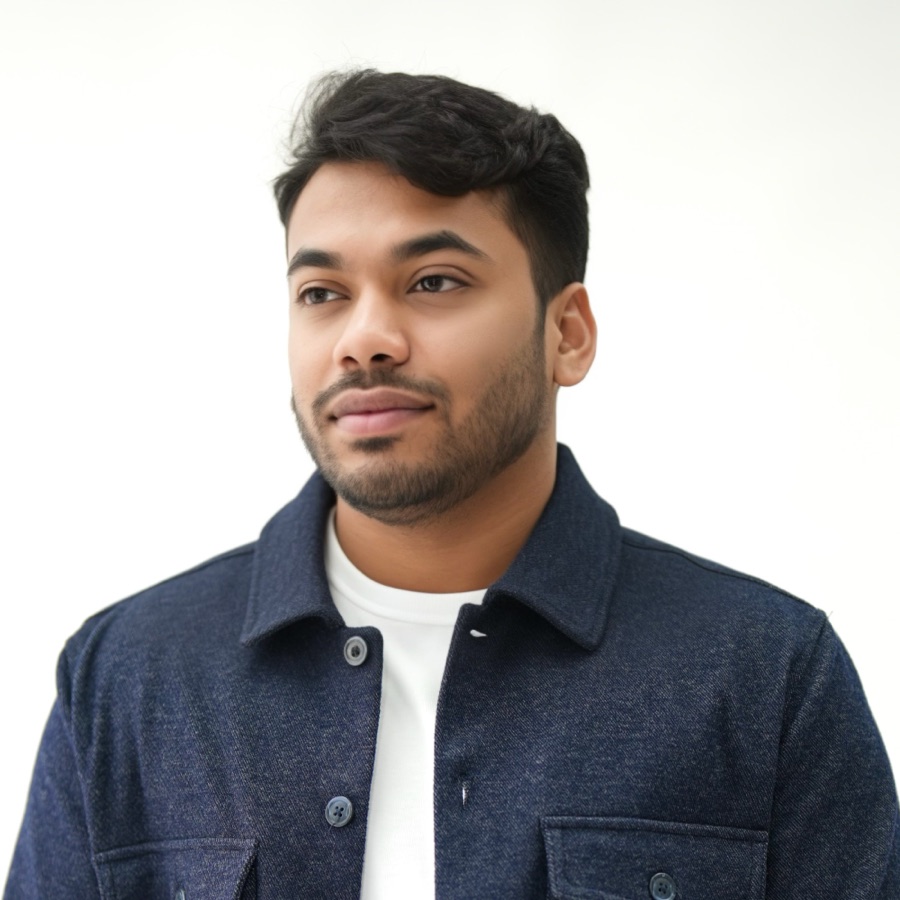
Aswin Sarang
Leadership trainer and certified life coach, known for a structured, results-oriented approach to personal transformation and executive development.